Outside Drains and Gullies: A Guide for Crowborough Homes
For homeowners in Crowborough and the wider East Sussex area, managing outside drainage is key to protecting properties from water damage and flooding. Outside drains, gullies, and channel drains play an essential role in diverting rainwater away from your home’s foundations and preventing surface water buildup in your garden or driveway.
Understanding how these drainage systems work and the importance of regular maintenance can save you from costly repairs and inconvenient flooding, especially during the wetter months typical of Crowborough’s climate. This guide explains the basics of outside drains and gullies, common causes of blockages, seasonal care tips, and what standing water might indicate around your property.
How Outside Drains and Gullies Work
Outside drains and gullies are designed to channel rainwater from roof runoff, paved areas, and gardens into the underground drainage network. Typically, gullies are small pits set flush with the ground surface that collect surface water and debris, leading it into drainage pipes. Channel drains, often found in driveways or patios, have a grated trench that captures larger volumes of water quickly.
These systems protect the property by preventing water pooling near foundations, which can cause dampness, structural damage, or promote mould growth inside the home. In Crowborough and surrounding towns like Heathfield and Uckfield, properties often have sloped gardens or hardstanding areas where water collects, making effective drainage crucial.
The water collected by these outside drains eventually connects to the public sewer system or stormwater drains managed by local authorities. Proper design and upkeep ensure rainwater flows away efficiently, maintaining dry, safe outdoor spaces.
Why Leaves and Silt Block Outside Drains
One of the most common causes of blocked outside drains and gullies around East Sussex homes is the accumulation of leaves, twigs, and silt. Crowborough’s leafy surroundings, especially during autumn, mean gutters and drains regularly collect fallen foliage which can slowly build up and restrict water flow.
Silt, the fine sediment that washes off soil in gardens after rainfall, can settle in gullies and pipes, creating blockages that reduce drainage efficiency. Over time, a combination of organic debris and silt forms a compacted layer that traps further debris and water.
When drains are blocked, water can back up, overflow, or pool on surfaces, increasing the risk of flooding or water damage to walls and paving. Regular cleaning helps prevent these problems and prolongs the lifespan of your drainage system.
Seasonal Outside Drain Maintenance Tips for Crowborough Homes
Autumn is the prime season for clearing leaves from outside drains and gutters in Crowborough and nearby towns like Mayfield and Wadhurst. Frequent removal of fallen leaves prevents blockages when heavy rains occur, typically from October through December.
In late winter or early spring, it’s important to check for any silt or debris accumulated over the colder months. Pressure washing gullies and channel drains can help dislodge compacted dirt and restore free water flow. Avoid using harsh chemicals, as these can harm local wildlife and gardens.
During summer, inspection remains important, especially after storms, as soil and debris washed from gardens or fields around Forest Row or Pevensey may clog drainage systems. Keeping grates and covers secure and intact also prevents accidents and unwanted blockages.
Common Signs of Outside Drain Problems in Crowborough
Standing water around your home or in the garden after rainfall can be a clear sign that outside drains or gullies need attention. Persistent puddles near walls or paths suggest water is not draining away properly, which could indicate blockages or broken pipes underground.
Slow draining gullies, unpleasant odours, or gurgling noises from drains when it rains also point to drainage issues. In East Sussex’s wetter climate, these symptoms should not be ignored as they can lead to more serious problems including water ingress.
If you notice any of these signs, inspecting the gullies and drains for visible debris or contacting a drainage specialist to perform a survey can help identify and resolve the issue before damage escalates.
How Local Soil and Weather Affect Drainage in East Sussex
Crowborough and the surrounding East Sussex countryside feature a variety of soil types, including clay and sandstone, which can affect how water drains away from properties. Clay soils, common in parts of Heathfield and Buxted, tend to retain water and slow drainage, increasing surface water risk near homes.
Seasonal weather patterns with frequent rainfall, particularly during autumn and winter, put extra strain on drainage systems. The region’s landscape of rolling hills and wooded areas also means runoff can carry organic debris into drains more easily.
Understanding these local conditions helps homeowners appreciate why regular outside drain maintenance is critical to managing water flow and avoiding damage from standing water or flooding.
What to Do if You Experience Standing Water Around Your Home
When you spot standing water around your Crowborough property, the first step is to check outside drains and gullies for visible blockages such as leaves or mud. Clearing the surface debris may sometimes restore drainage temporarily, but persistent problems usually need professional attention.
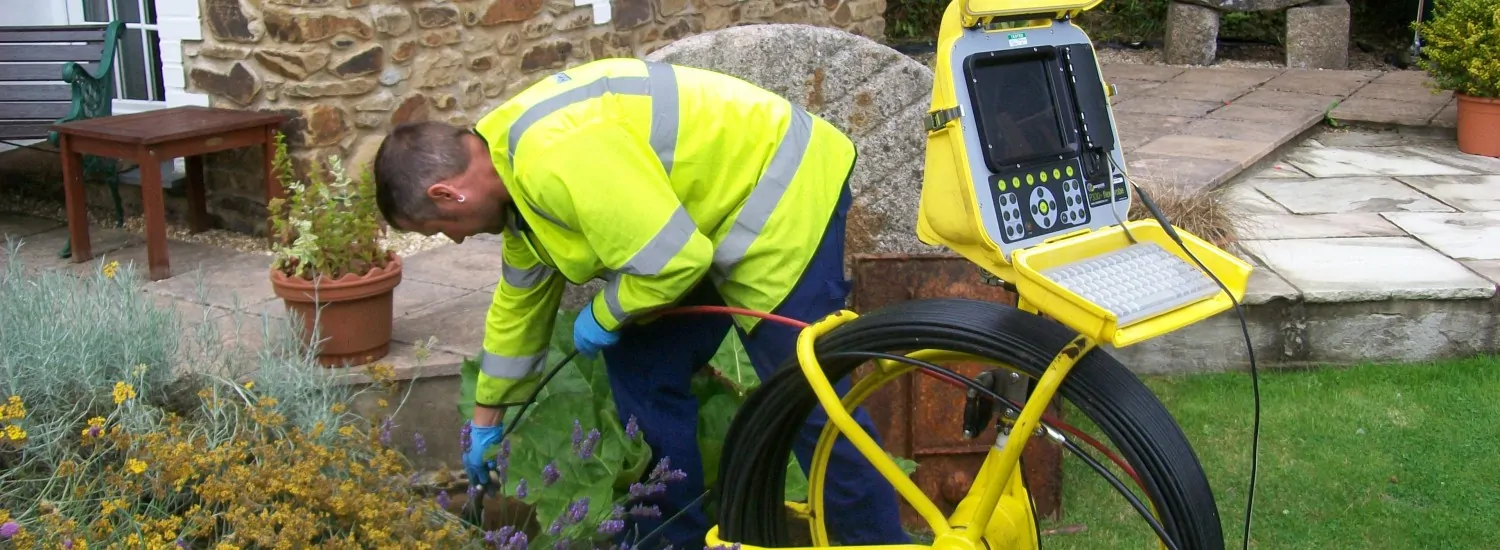
Avoid pouring chemicals into drains, as these can harm surrounding plant life and local waterways. Instead, arrange for a drainage inspection where specialists can perform camera surveys to identify hidden blockages or pipe damage beneath the surface.
If the water pooling is close to your home’s foundations, it’s advisable to act quickly to prevent damp and structural concerns. In the Crowborough area, local drainage experts familiar with East Sussex’s soil and weather conditions can provide tailored solutions to protect your home.
Preventative Measures to Keep Outside Drains Clear Year-Round
Keeping your outside drains and gullies clear throughout the year requires routine attention. Regularly removing leaves and debris during autumn, inspecting drainage channels after heavy rain, and clearing any build-up of silt in spring can greatly reduce blockages.
Installing leaf guards or gully grids can help prevent large debris from entering the drainage system, especially if your property is near wooded areas like Hartfield or Forest Row. However, these need periodic cleaning themselves to remain effective.
Maintaining nearby vegetation and ensuring soil erosion is minimised around your property also helps reduce silt washing into drains. Combined with seasonal professional inspections, these steps protect your home against water damage in Crowborough and surrounding East Sussex.
Need a drainage expert in Crowborough?
Call 0800 669 6492