Why Do My Drains Smell? Causes and Fixes for Crowborough Homes
If you’re a homeowner in Crowborough, East Sussex, encountering unpleasant smells from your drains can quickly become a frustrating issue. These odours not only cause discomfort but can sometimes indicate a more serious problem lurking beneath your property. Understanding why your drains smell is the first step in tackling the issue effectively and maintaining a healthy home environment.
From dried-out traps to blockages caused by fat build-up, several factors can lead to malodorous drains. This article explores common causes of smelly drains in Crowborough houses, offers guidance on tracing the source of the smell, and helps you decide when you can handle repairs yourself versus when it’s best to bring in a professional.
Common Causes of Smelly Drains in Crowborough Homes
One of the most frequent culprits behind smelly drains is a dried-out trap. Traps are bends in your drainpipes that hold a small amount of water, acting as a barrier to prevent foul gases from escaping into your home. If a drain hasn’t been used for a while—perhaps in a guest bathroom or outside tap—the water can evaporate, allowing unpleasant smells to rise up.
Blocked gullies are another common source of odour. Gullies collect wastewater and debris before it enters the main drainage system. In Crowborough’s older properties, gullies may get clogged by leaves, soil, or even grease, causing wastewater to stagnate and produce bad smells. Regular maintenance can help prevent this, but blockages sometimes require professional clearing.
Damaged or cracked pipes also contribute to drainage smells. These defects allow sewer gases to leak through cracks and into your garden or home. Given Crowborough’s varying soil conditions in East Sussex, shifting ground can sometimes cause pipes to move or crack, which may not be visible without inspection.
Finally, fat and grease build-up within pipes is a widespread issue. Even though kitchens are the most common place for this, fats solidify in the cooler parts of the drainpipes and gradually narrow the flow, leading to blockages and resulting odours. It’s important to avoid pouring cooking fats down the sink to minimise this problem.
How to Trace the Source of a Drain Smell
Begin by determining when and where the smell is strongest. Check sinks, showers, toilets, and outside gullies at various times of the day. Often, the smell will be most noticeable near the source, which helps narrow down the problem area.
Use a simple process of elimination: run water in frequently used drains and see if the smell diminishes, which might indicate a dried-out trap. Inspect external gullies and drainage covers for visible blockages or overflow, especially after heavy rain common in East Sussex.
If the smell lingers despite these checks, consider whether it could be related to damaged pipes or trapped debris farther along the drainage system. In Crowborough’s older homes, pipework can be complex, so professional CCTV surveys might be necessary to pinpoint hidden problems accurately.
Fixing Dried-Out Traps Yourself
If you find a dried-out trap is causing the smell, the remedy is straightforward. Simply pour water down the affected drain to refill the trap and restore the water seal. This might need repeating regularly in little-used outlets or garden taps, especially during warmer months when evaporation is faster.
Pouring a small amount of vegetable oil after water can help the trap retain moisture longer by slowing evaporation. Avoid harsh chemicals as these can damage pipes and harm the local environment, important considerations in the East Sussex countryside.
Regular use of all your home’s drains also ensures traps stay filled. For seldom-used sinks or outdoor drains in Crowborough, flushing them weekly can prevent smells from developing.
Clearing Blocked Gullies and Fat Build-Up
For blocked gullies, start by removing any debris visible on the surface. Wearing gloves, clear leaves, mud, or other matter that may be obstructing water flow. Flush the gully with a hosepipe to help move remaining blockages through the system.
To tackle fat build-up, avoid using chemical drain cleaners which can worsen pipe damage. Instead, use boiling water mixed with a little dish soap to help break down grease. This approach is safe and environmentally friendly, suitable for Crowborough homes surrounded by protected countryside.
If these DIY methods fail, or blockages repeatedly return, it’s a sign that professional drain clearance may be needed. Specialists can use high-pressure water jets and other equipment to clear pipes thoroughly, restoring normal flow and eliminating odours.
When to Call a Drainage Professional in Crowborough
While many minor drainage issues can be tackled at home, certain situations require expert attention. Persistent smells that don’t respond to refilling traps or clearing gullies might indicate damaged pipes or deeper blockages beyond DIY reach.
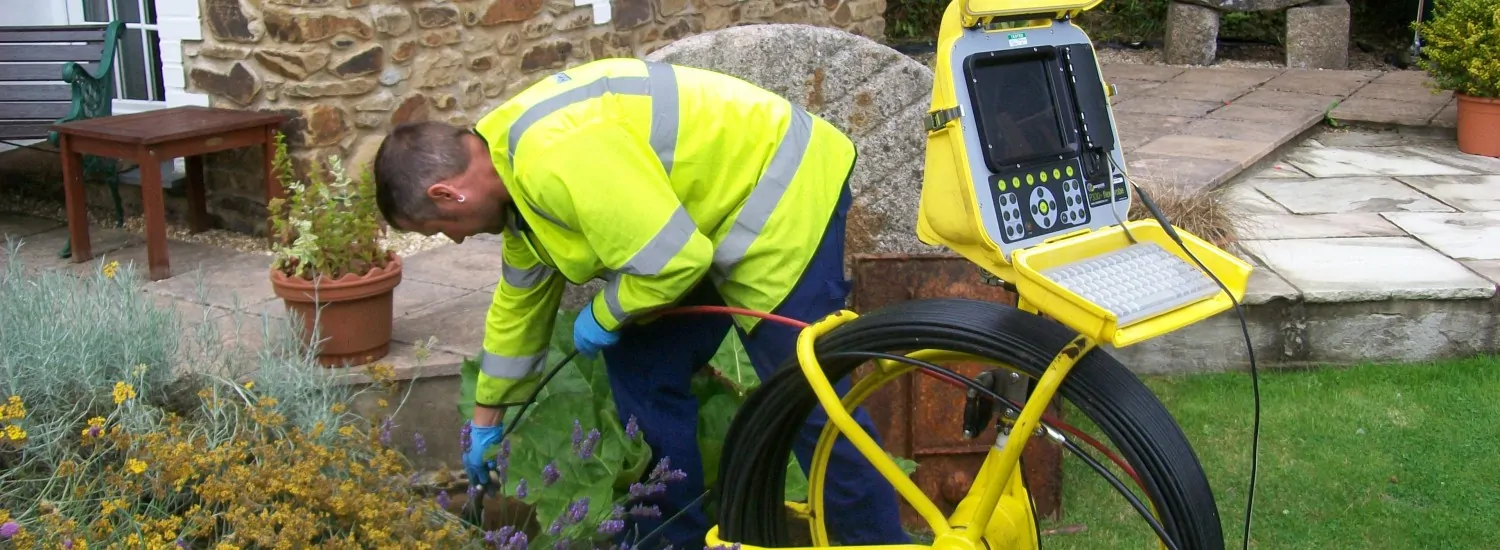
Professional plumbers or drainage engineers in Crowborough have the equipment to perform CCTV surveys to inspect underground pipes. This helps identify cracked or collapsed pipes, root intrusion, or other structural issues which cause odour problems and can threaten your property’s foundation.
If your home has an older drainage system, especially in neighbouring East Sussex towns like Heathfield or Wadhurst, periodic professional inspections can prevent costly damage. Engaging a local expert ensures quick response and compliance with regional drainage regulations.
Maintaining Fresh-Smelling Drains Year-Round
Regular maintenance is the key to preventing drain smells in Crowborough homes. Avoid disposing of fats, oils, or large food scraps down sinks. Instead, use bins and compost where possible to reduce the risk of pipe blockages.
Make a habit of running water through all drains weekly, especially those seldom used, to keep traps filled. Installing drain covers can also prevent debris from entering gullies and pipes during heavy rains, which East Sussex often experiences.
Consider scheduling routine inspections with a local drainage professional who understands the specific challenges faced by homes in Crowborough and surrounding areas like Uckfield or Forest Row. This proactive approach can save money and keep your home smelling fresh.
Environmental Considerations in East Sussex Drain Maintenance
East Sussex’s unique environment, including the High Weald Area of Outstanding Natural Beauty near Crowborough, means homeowners should be mindful about how they manage drainage and waste. Harsh chemical cleaners can harm local watercourses, wildlife, and protected habitats.
Using eco-friendly, biodegradable cleaning methods is not only safer for your home’s pipes but also aligns with local conservation efforts. Avoid flushing plastics or non-biodegradable items, which can cause blockages and pollute local waterways.
If professional work is necessary, ensure contractors adhere to environmental best practices and local regulations. Responsible drainage maintenance helps preserve East Sussex’s natural beauty and protects community water quality.
Need a drainage expert in Crowborough?
Call 0800 669 6492